Get a quote
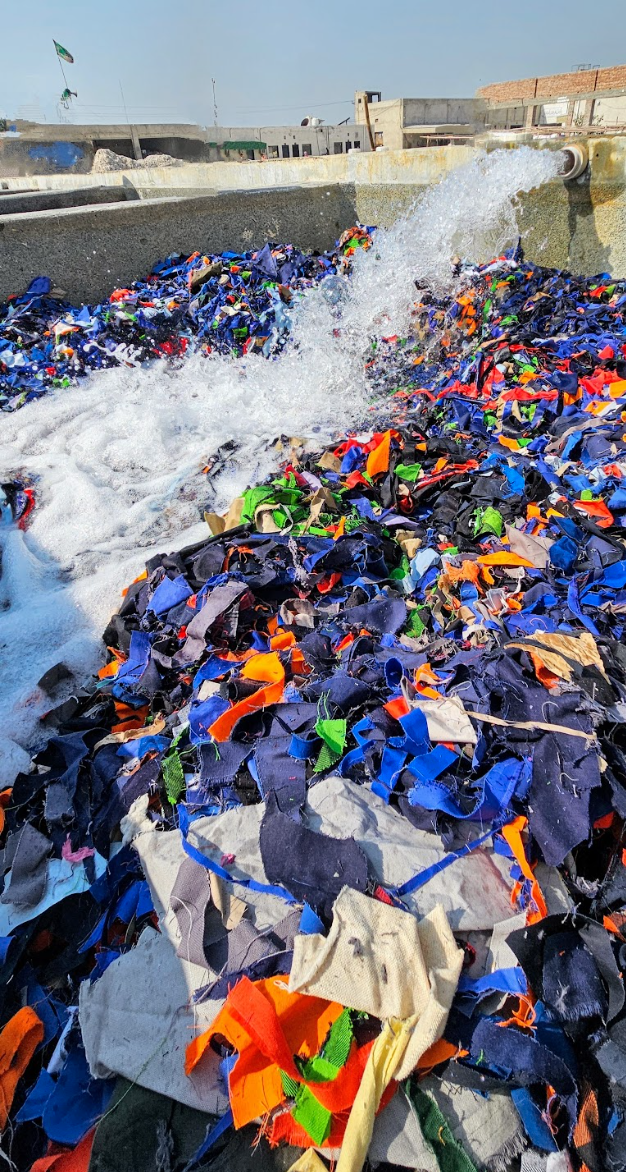
Facility operations
ISO 14001 Certified Est. 2014 Faisalabad, PK

Textile waste, respun into value.

Premium post-industrial and post-consumer fiber recovery for mills, brands, and manufacturers across Pakistan. We sort, shred, and bale — turning your waste stream into certified recycled feedstock.
12.4M lbs / year diverted
94% Recovery rate
72h Quote to pickup
01

Collect & Weigh

Bulk intake from mills & brands

02

Sort & Separate

NIR + manual by fiber content

03

Mechanical Shred

Zero water, zero chemicals

04

Bale & Ship

FTL or container export

Why Horizon

Built for industrial partners.

⚙️

Scalable Volume

From 5,000 lbs to 500,000 lbs monthly capacity across two facilities.

🌱

Zero Landfill

Pure mechanical recycling. No water input. No chemical solvents used.

📦

Bale-to-Bale

Consistent density and spec sheets provided on every outgoing shipment.

How It Works

From pickup to bale.

Step 1
Collection
Scheduled pickup of textile waste from your facility
Step 2
Documentation
Weigh, tag, and scan every inbound load
Step 3
Inspection
Grading by fiber type, color, and contamination
Step 4
Processing
Mechanical shredding, opening, and blending
Step 5
Quality Control
Spec verification against client requirements
Step 6
Shipping
FTL or container export with diversion certificate
The Pipeline

Six stages. One closed loop.

Every bale is tracked from intake to shipment with full traceability.

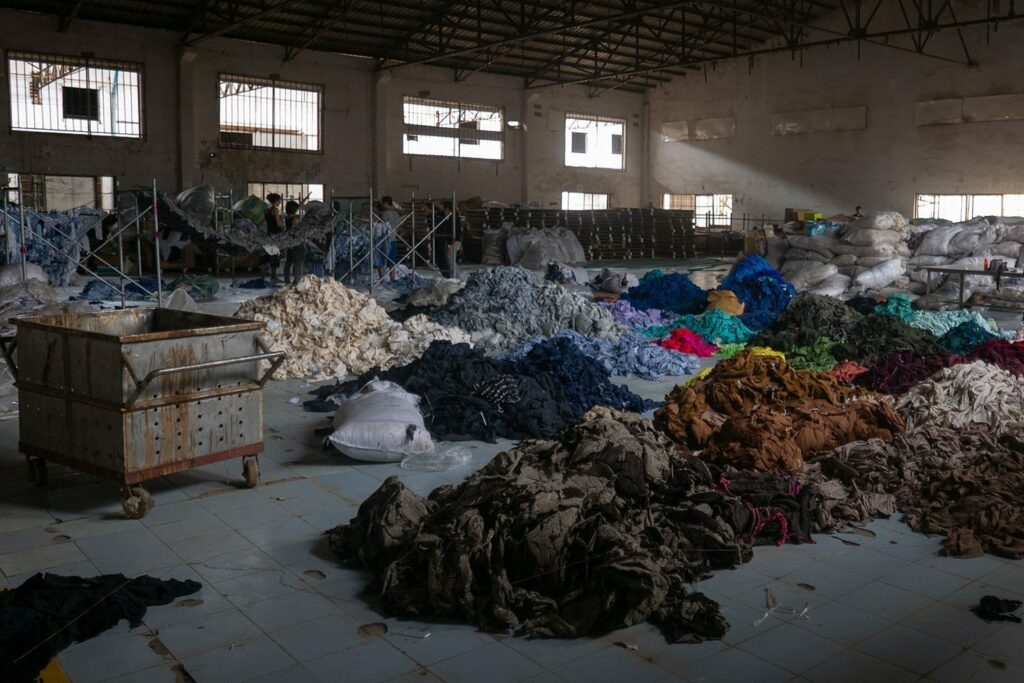
Intake dock with textile bales
STAGE 01
Intake & Weighing
Bulk pickup from apparel mills and furniture manufacturers. Material is weighed, tagged, and staged.
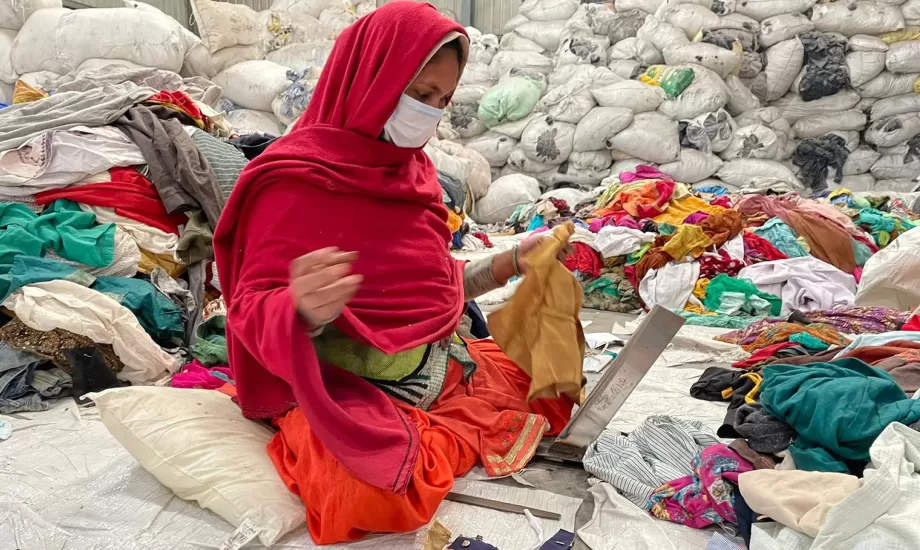
Workers sorting textiles at tables
STAGE 02
Optical & Manual Sort
Hand sorting and NIR separation by fiber content, color, and contamination level.
Pre-processing cleaning line
STAGE 03
Pre-Process Cleaning
Hardware removal, de-buttoning, and de-zippering to protect shredder blades and output purity.
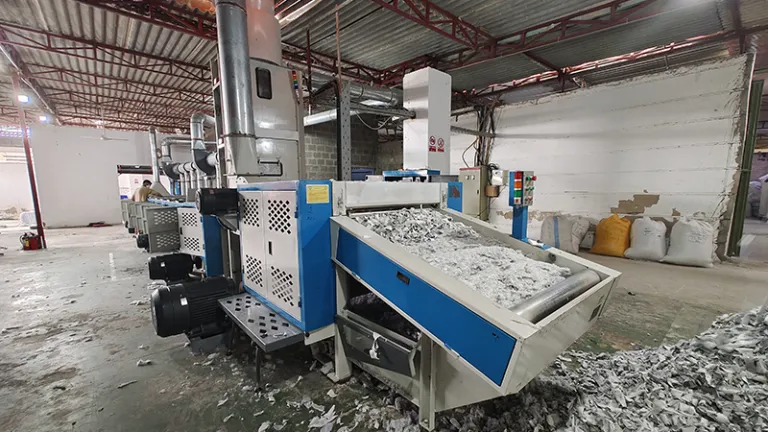
Mechanical shredding into raw fiber
STAGE 04
Mechanical Shredding
High-torque shredders break textiles into raw open fiber preserving tensile integrity.
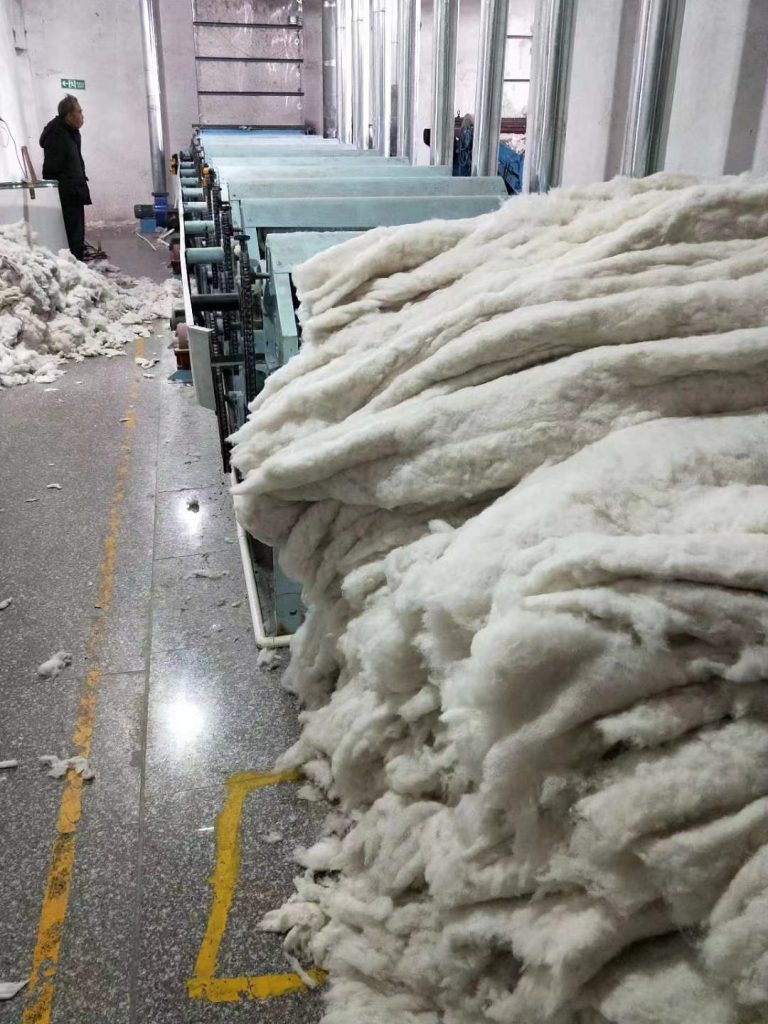
Fiber blending and quality preparation
STAGE 05
Fiber Blending & Spec
Blended to client spec — denim for insulation, poly-cotton for non-wovens, pure cotton for spinners.
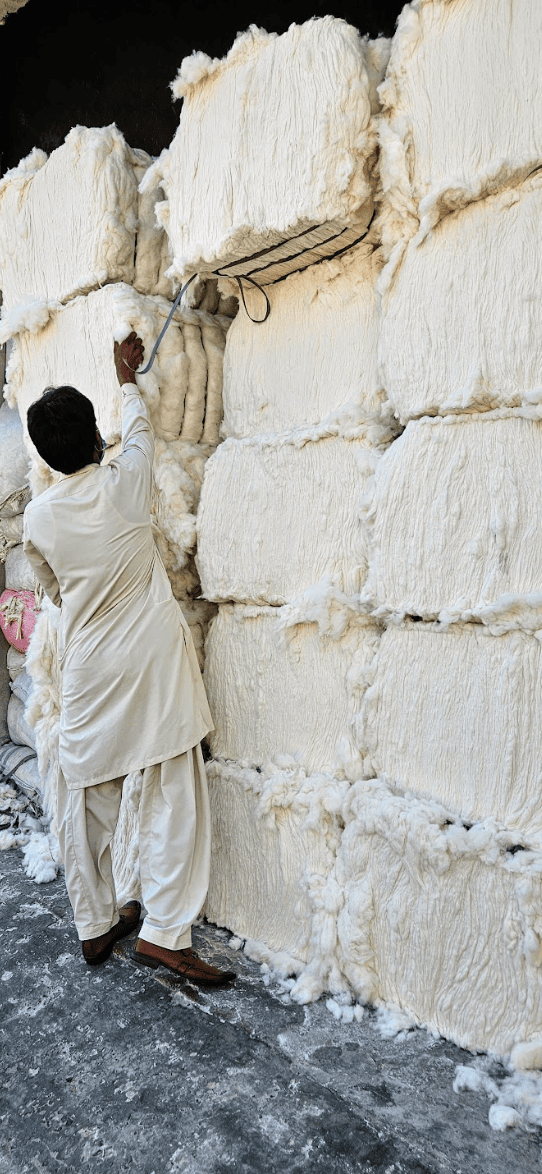
Compressed finished fiber bales
STAGE 06
Bale & Ship
Compressed, wrapped, and tagged. Ships via FTL or container to spinners and insulation plants.
Accepted Feedstock

If it's textile, we can likely process it.

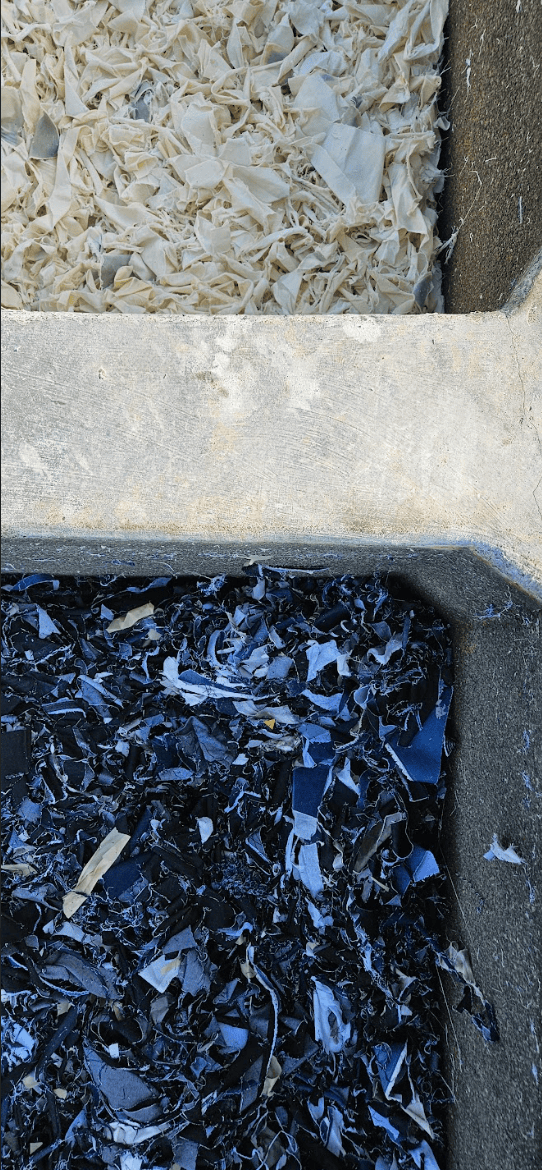
Industrial cutting waste

Industrial cutting waste

Post-factory scraps, selvedge, and cutting room remnants from apparel and upholstery mills.

Post-Industrial
Post-consumer garments

Post-consumer garments

Collected through retail take-back programs. Premium items reused; damaged items enter the fiber line.

Post-Consumer
Denim and cotton

Denim & natural cotton

Heavyweight cotton and denim processed into shoddy and premium shreds for insulation and yarn.

Natural Fiber
Synthetic blends

Synthetic blends

Poly-cotton, acrylics, and mixed blends on dedicated lines to prevent cross-contamination.

Blended
Capacity

Built for industrial scale.

🔄
4 TPH

Primary Shredder Line

Dual-shaft shredding with auto-reversing torque control for mixed textile feedstock.

Capacity: 4 tons / hour
2.5 TPH

Fiber Opening System

Multi-stage drum opening and carding preserving staple length for downstream use.

Output: 2.5 tons / hour
📊
98.5%

NIR Sorting Array

Near-infrared optical sorters separating polyester, cotton, wool, and acrylic blends.

Accuracy: 98.5%
Facility yard
Every ton is weighed, logged, and reported with a full diversion certificate.
Measured Results

Real numbers. Real impact.

12.4M

Annual
lbs diverted from landfill

Equivalent to roughly 41 million garments kept out of landfill based on average garment weight.

38%

Offset
Virgin fiber replacement

Our baled output replaces virgin cotton and polyester in downstream manufacturing supply chains.

210M

Water
gallons saved

Mechanical recycling uses zero water compared to virgin cotton ginning and dyeing processes.

🏭

ISO 14001

Environmental Management Systems Certified

Trusted By
Rafiq Jamil Textiles
Ashar Imran Spinning
Comfort Knitwears
Shahbaz Garments
Rehman Cotton

Key supply partners & clients across Pakistan

FAQ

Common questions from suppliers.

We typically require a minimum of 5,000 lbs for direct pickup. For smaller volumes, we offer consolidated LTL scheduling or drop-off at our Faisalabad facilities by appointment.
Yes, but separation fees apply. We prefer pre-sorted industrial cutting waste or single-fiber garments. Mixed post-consumer loads undergo our NIR sort line, billed per ton processed.
Every shipment includes waste diversion reports and ISO 14001 environmental compliance documentation upon request for qualified buyers.
Most quotes are returned within 24 hours. Once contracted, pickup is scheduled within 72 hours across Punjab. International container loads require 7–10 days lead time.
It depends on material quality and volume. Grade-A industrial cutting waste may qualify for rebate pricing. Standard post-consumer material is processed on a per-ton service fee with tiered volume discounts.
Leadership

Who runs the line.

MS

Muhammad Saqib

Director0321 6255555
SA

Mrs. Saira Aziz

Director0322 6255555
MN

Mian Muhammad Nadeem

Director0321 7818992
Get Started

Move your waste stream.

Tell us your material type and approximate volume. We'll return a quote, schedule an audit, and arrange first pickup — usually within 72 hours.

Head Office
121/JB Ellahi Town, Millat Road
Faisalabad, Pakistan
Processing Facilities
Facility 1 — Main Drainage, 77/Satiana, Faisalabad
Facility 2 — Warburton, Nankana Sahib
Directors
Muhammad Saqib
0321 6255555
Mrs. Saira Aziz
0322 6255555
Mian M. Nadeem
0321 7818992